| |
The Invisible Threat:
Understanding and Defending Against Phishing in 2026
|
| In an era where digital communication is the heartbeat of both personal and professional life, the inbox has become a primary battlefield. By 2026, phishing has evolved far beyond the clumsy, misspelled emails of the past. Today’s threats are sophisticated, context-aware, and often indistinguishable from legitimate corporate communications. |
| |
| For businesses relying on a professional Website Company Johor Bahru trusts to maintain their digital presence, cybersecurity is not just an IT concern—it is a fundamental aspect of protecting your brand’s reputation. |
|
| |
 |
| |
The Evolution of the Phish
|
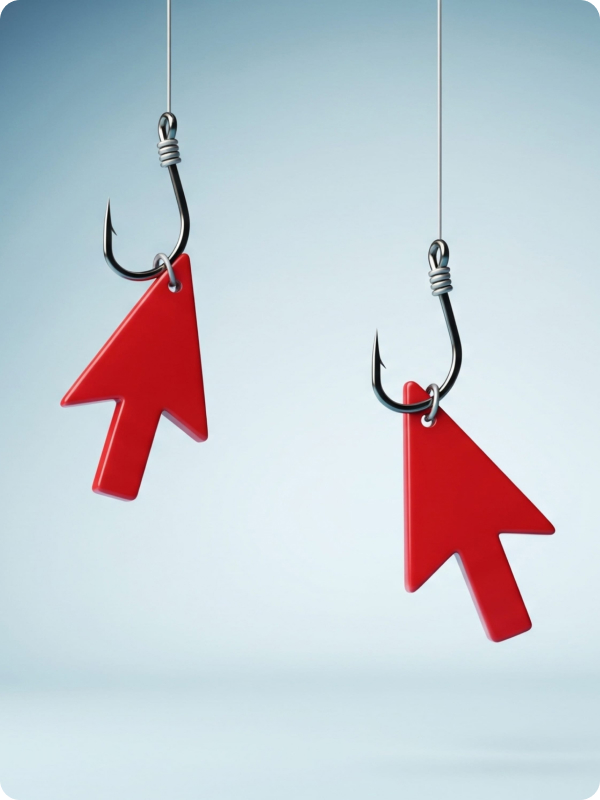
| Phishing is a form of social engineering where attackers masquerade as trusted entities. The modern landscape is defined by three dangerous trends: |
 |
AI-Powered Personalization
|
| Attackers use Large Language Models to scrape public data and craft emails that perfectly mimic the tone of your colleagues. |
|
|
| |
"Quishing" (QR Code Phishing)
|
| Always check the sender's address. A legitimate email should come from the official domain, not a public provider or a spoofed address. |
|
|
| |
Business Email Compromise (BEC)
|
| Attackers compromise legitimate accounts and insert themselves into existing email threads, creating a sense of urgency that is nearly impossible for the average employee to flag. |
|
|
|
|
|
|
| |
How to Spot the Deception
|
| Whether you are managing a simple site or a complex e-commerce platform developed by a Website Design Johor Bahru expert, the human element remains the first line of defense. |
| |
| In the world of cybersecurity, the human element is often the weakest link, but with consistent awareness, it can also become your strongest line of defense. |
|
| |
The "Red Flag" Checklist:
|
 |
 |
| Urgency and Pressure |
|
| Does the email demand immediate action? Attackers want you to react before you think. |
 |
|
| Mismatched Domains |
|
| Always check the sender's address. A legitimate email should come from the official domain, not a public provider or a spoofed address |
 |
|
| Unusual Requests |
|
| Be wary of requests for passwords or financial information that fall outside normal workflows. |
|
|
| |
Implementing a Culture of Vigilance
|
| Defending against phishing is a cultural commitment. If your organization has recently invested in professional services from an SEO Company Johor Bahru firm to grow your traffic, ensure your team is trained to recognize that increased traffic can sometimes bring increased scrutiny from malicious actors. |
| |
| Best Practices for Protection: |
| |
 |
|
| Multi-Factor Authentication (MFA) |
|
| Use hardware-based or app-based MFA. This renders stolen passwords effectively useless |
 |
|
| Verify Out-of-Band |
|
| If you receive an urgent request, verify it using a different channel— call the sender or use a verified internal chat |
 |
|
| Think Before You Click |
|
| If an email feels even slightly off, do not click. Navigate to the service provider’s website directly through your bookmarks |
|
|
|
| |
| As we navigate 2026, the goal of phishing attackers is to exploit human psychology rather than just software vulnerabilities. The most effective security control is a skeptical mind. By slowing down, verifying the source, and maintaining high standards of digital hygiene, you can protect your personal identity and your organization’s integrity. |
| |
| Remember: If an email creates a feeling of panic, that is exactly what the attacker intended. Take a breath, verify, and stay secure. |
|
|
|
| |